
Antenna Tuners
Manual antenna tuning wastes time and introduces standing wave ratio losses that degrade transmitter efficiency and damage RF amplifiers during portable radio operation. AMNVOLT Antenna Tuners including the ATR1000 automatic model eliminate manual impedance matching across HF and amateur radio bands, letting operators focus on communication instead of tuning adjustments. Order online from the official AMNVOLT store to upgrade your station with automatic impedance matching and SWR protection today.
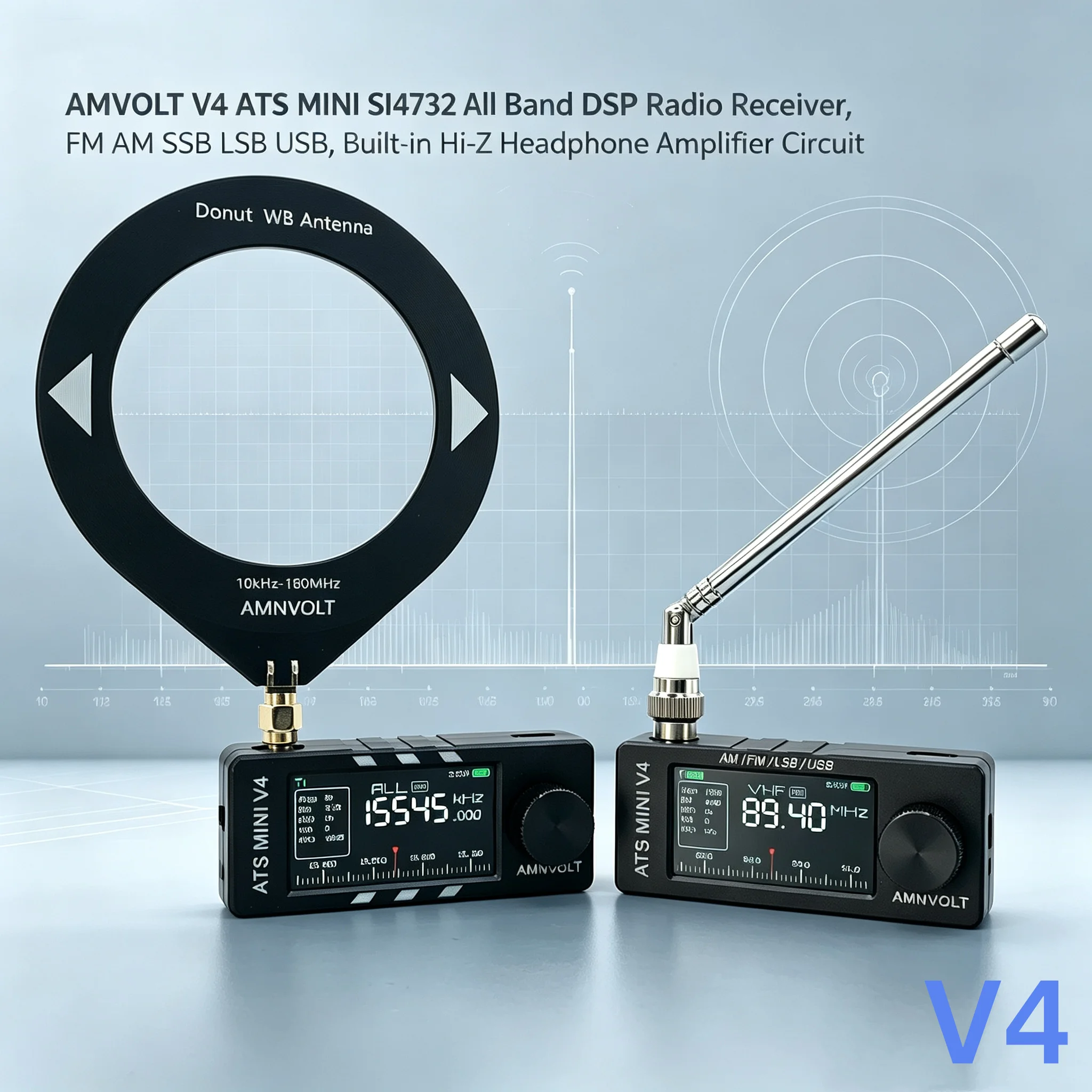

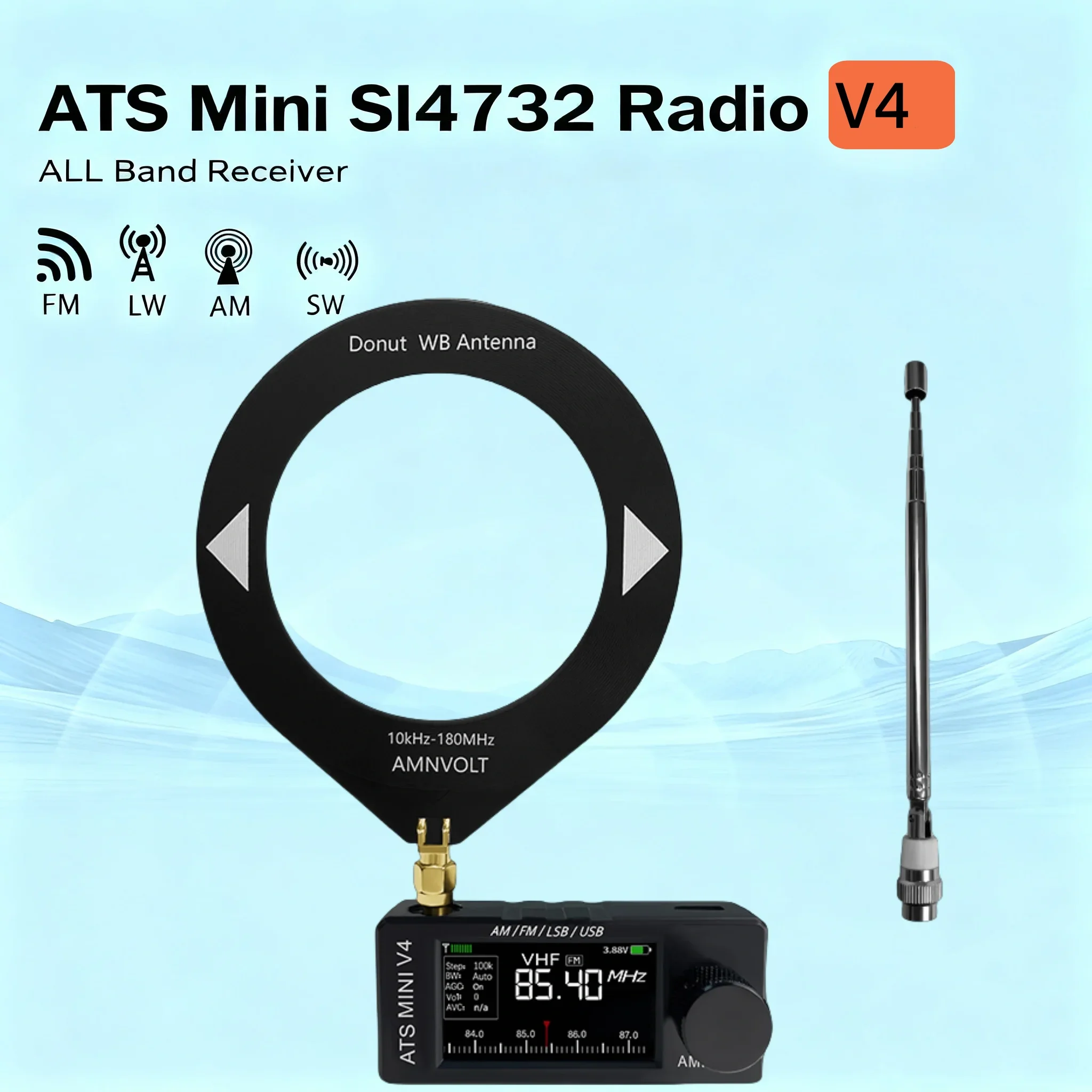

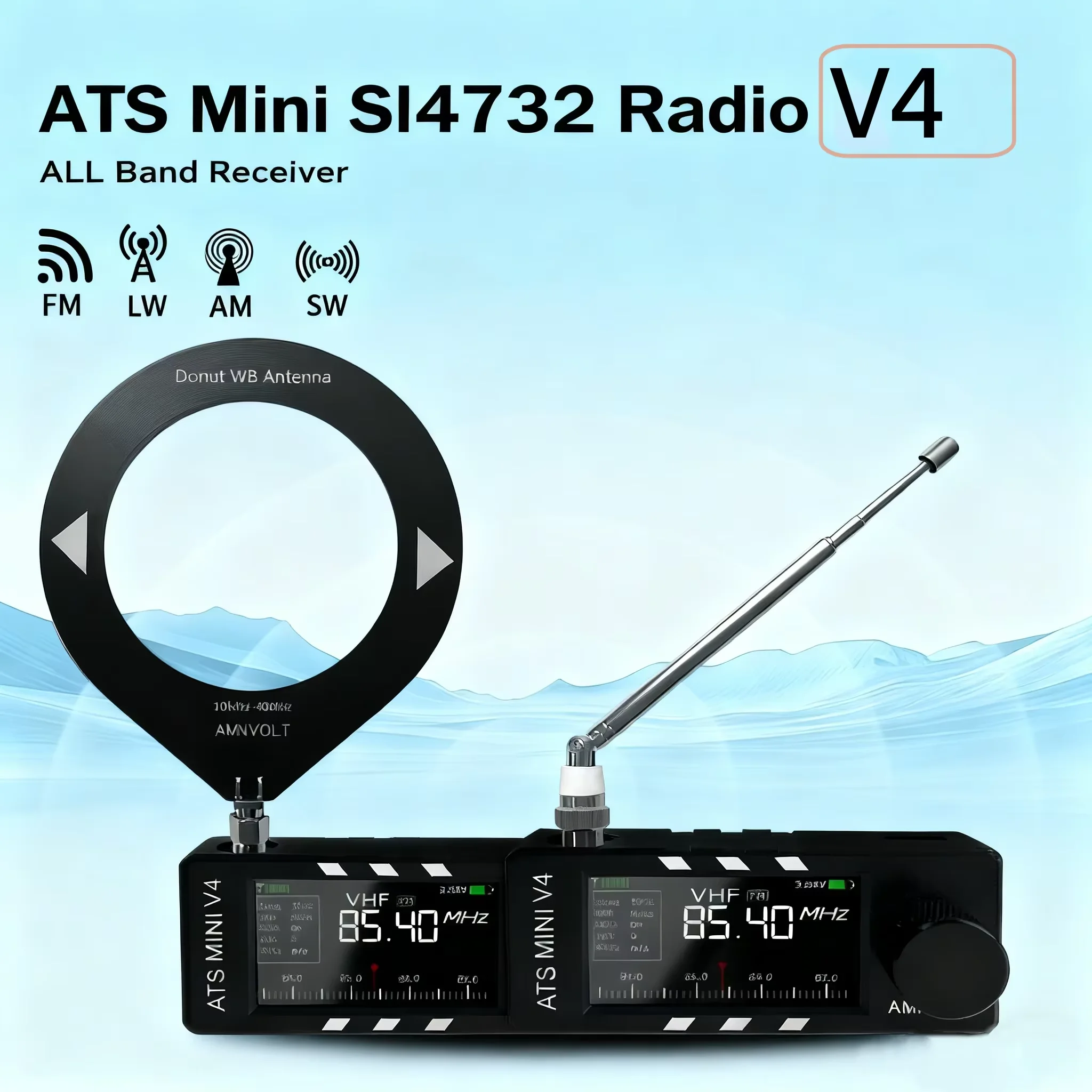
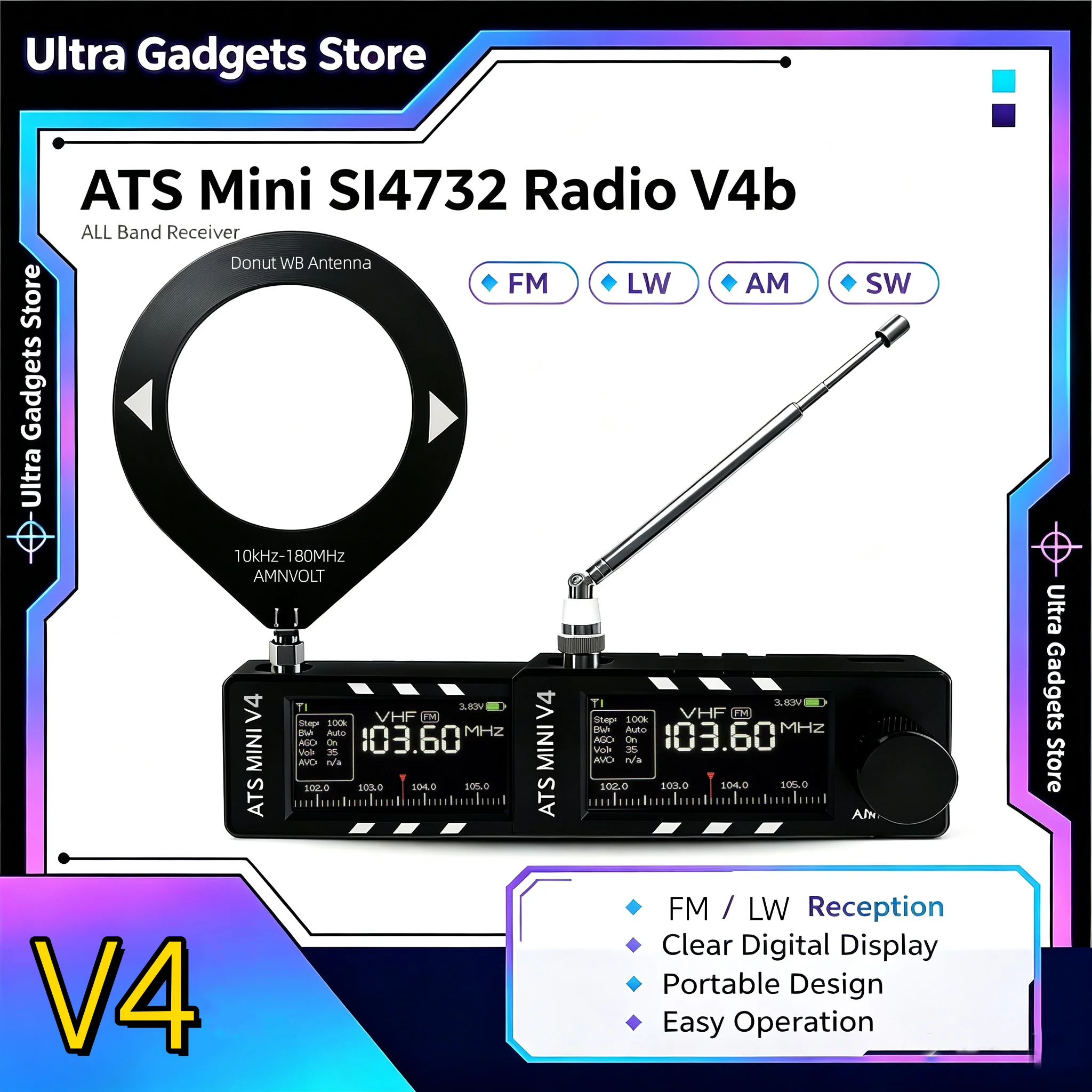
AMNVOLT Antenna Tuners for Automatic Impedance Matching
AMNVOLT Antenna Tuners automate the impedance matching process that consumes hours from radio operators attempting to achieve acceptable standing wave ratio across multiple frequency bands. The ATR1000 automatic antenna tuner reduces manual labor through relay-switched L and C networks that reconfigure in under 5 seconds when frequency changes. Impedance matching networks compensate for antenna reactance and resistance variations across 1.8 MHz to 54 MHz, accommodating everything from low-band amateur radio to VHF operations. Standing wave ratio readings display in real-time, showing operators exactly when the tuning circuit reaches minimum SWR—typically 1.2:1 or better on resonant antennas. Antenna connectors standardize around SO-239 and PL-259 interfaces for seamless integration into existing radio stations. The automatic tuner requires only output power and frequency information from the transmitter, making retrofit installation simple without rewiring. Professional QRP antenna experiments and portable field operations benefit enormously from integrated automatic matching, which eliminates the need to carry manual L-networks or resort to compromised wire feeds.
Advanced Tuning Technology and Standing Wave Ratio Control
AMNVOLT Antenna Tuners employ broadband coupling networks that sense impedance across the full frequency spectrum, allowing single-step matching without operator adjustment between bands. The ATR1000 model includes automatic SWR monitoring circuits that detect impedance mismatches exceeding 3:1 and trigger retuning sequences automatically—critical protection during mobile radio or portable operations where antenna performance varies. Relay switching time reduction from traditional 30 seconds down to 5 seconds enables rapid band changes during amateur radio nets and emergency communications without interrupted signal transmission. Impedance matching accuracy reaches ±10 ohms across the 50-ohm nominal design, ensuring power transfer efficiency of 98 percent or higher to well-constructed antennas. The tuning capacitor range extends from 10 picofarads to 500 picofarads, covering antenna impedances from 20 to 200 ohms—sufficient for nearly all practical amateur radio configurations. Output protection circuitry monitors forward and reflected power simultaneously, shutting down the tuning relay when standing wave ratio exceeds safe limits to prevent amplifier damage. This automatic sensing distinguishes AMNVOLT antenna tuners from manual L-network designs that offer zero protection against mismatches during frequency transitions.
Why Automatic Tuning Outperforms Manual Antenna Networks
Manual L-network tuning requires operator calculations or trial-and-error attempts, during which standing wave ratio remains elevated and forward power dissipates as heat instead of reaching the antenna—power losses reach 15 to 40 percent during adjustment cycles. AMNVOLT Automatic Antenna Tuners eliminate this efficiency loss by reconfiguring the impedance matching network in seconds, allowing radio operators to maintain full power output immediately upon frequency change. Independent measurements from amateur radio test labs document SWR reductions from 3:1 or higher down to 1.2:1 after ATR1000 engagement, with no audible clicks or RF interference injected into the transmit signal. Portable radio operators and QRP experimenters especially benefit because automatic matching enables efficient radiation from compromised antennas—short whips and loaded verticals that would perform poorly without precision impedance correction. The ATR1000 requires no tuning knobs or adjustment procedures, lowering the cognitive load on radio operators during emergency communications or contest operations where speed matters. Professional installations at radio clubs and emergency response stations choose automatic antenna tuners because they reduce operator training requirements and guarantee consistent performance regardless of antenna configuration changes.
Installation Guidance and Tuning Optimization
Position AMNVOLT Antenna Tuners between the transmitter output and the antenna feed point, using short, direct coaxial cables to minimize impedance transformation losses—every 6 inches of cable adds parasitic reactance. Connect the tuner output to the antenna connector using SO-239 connectors and quality RG-8 coaxial cable rated for your anticipated power level—typically 10 watts or higher for portable operations. Set the transmitter frequency before initiating automatic tuning, allowing the ATR1000 relay network sufficient time to complete the impedance matching sequence before applying full power. Verify standing wave ratio readings once tuning completes, aiming for 1.2:1 or lower for optimal efficiency—ratios above 2:1 indicate either antenna mechanical problems or frequency selection errors. Impedance matching quality improves when antenna lengths approach resonance, so optimize antenna physical dimensions before relying solely on the tuner to correct poor radiator design. Monitor forward and reflected power throughout extended operating sessions, particularly during portable field operations where antenna movement may shift impedance. Order AMNVOLT Antenna Tuners from the official store to receive matching cables, installation documentation and direct manufacturer support for tuning configuration assistance across all amateur radio bands.